These Xiaomi Phones Are Getting HyperOS 4 — And Two Popular Ones Aren’t
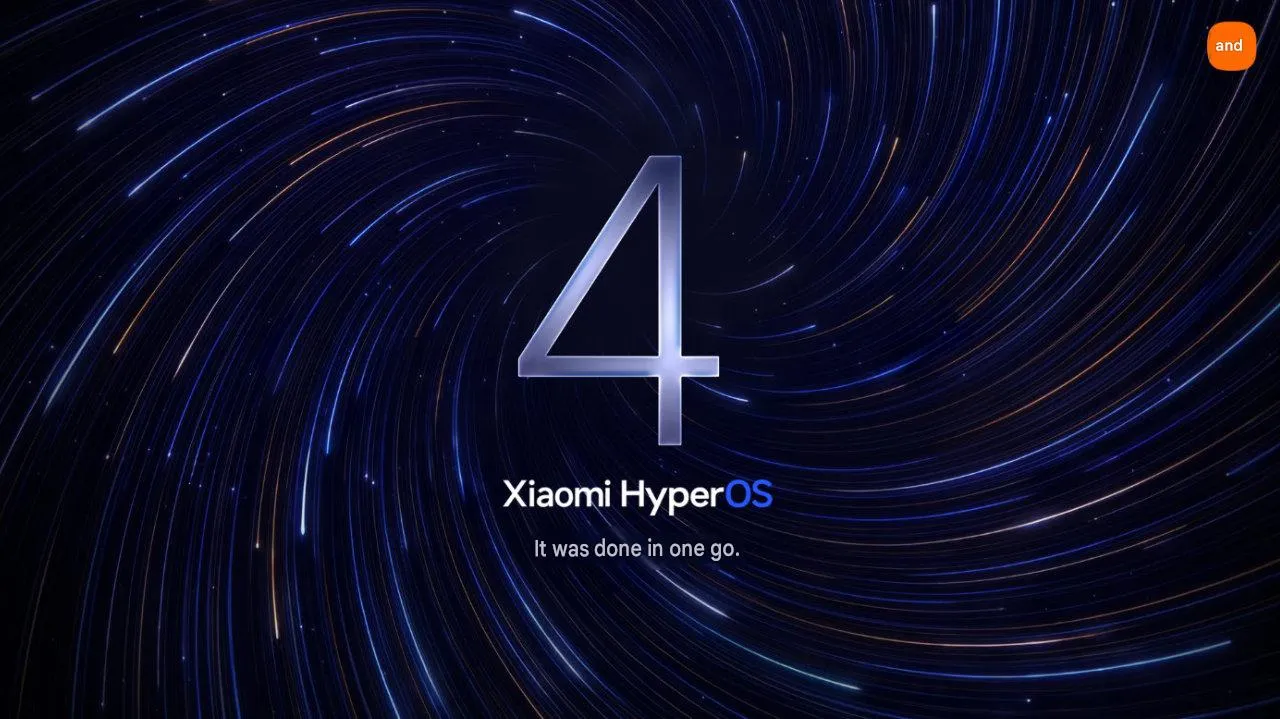
With Android 17 Beta 1 already running on Google Pixel devices and Google I/O kicking off May 19, Xiaomi is moving faster than expected on HyperOS 4 — and the update is shaping up to be far more than a version bump.
Weibo tipster Digital Chat Station confirmed that HyperOS 4 will adopt a Liquid Glass UI — transparent surfaces, fluid animations, and depth effects replacing HyperOS 3’s current design language — with a Q3 2026 launch window targeting the Xiaomi 18 series debut.
What makes this cycle genuinely different, though, is what’s happening under the hood. HyperOS 4 is being positioned as Xiaomi’s first “zero legacy” OS release — the first version with no remaining MIUI codebase anywhere in the system, with core apps rewritten in Rust for security and modularity, and Flutter adopted for UI consistency across phones, tablets, foldables, and automotive products. For mid-range users, that matters more than it sounds: legacy MIUI overhead has historically hit performance hardest on modest chipsets, so the rewrite could deliver real-world gains on phones that never felt as smooth as their specs suggested.
On the design side, Xiaomi is reportedly developing a dedicated Leica color palette for the OS — expanding a partnership that has until now been confined to camera app color science and filters — potentially giving HyperOS 4 a visual identity no other Android skin can directly replicate.
HyperOS 4 Eligible Device List
The expected pool covers 70+ models. Here’s the full breakdown:
Xiaomi Phones
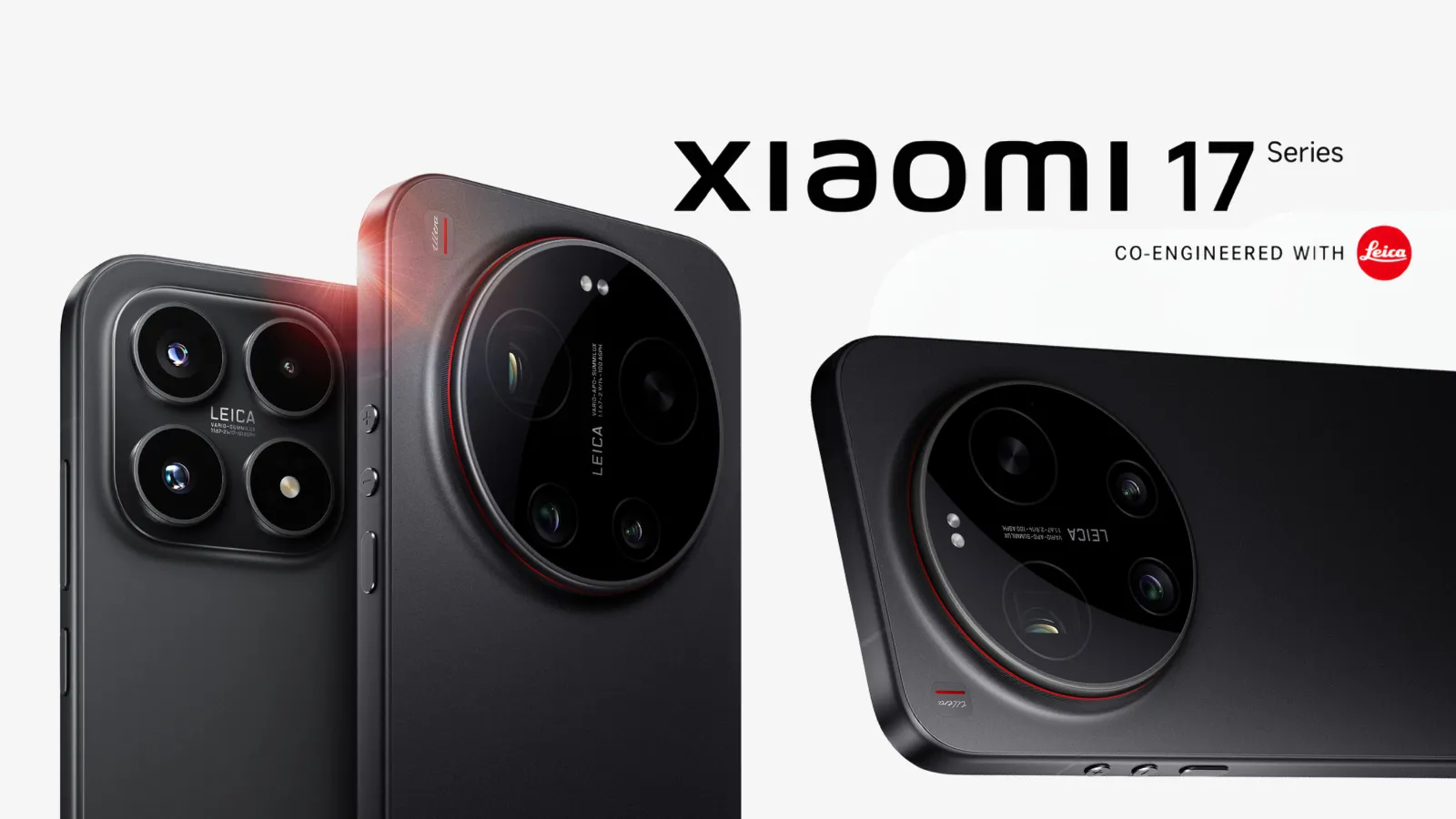
- Xiaomi 17 Ultra, 17 Pro Max, 17 Pro, 17
- Xiaomi 15S Pro, 15 Ultra, 15 Pro, 15
- Xiaomi 15T Pro, 15T
- Xiaomi 14 Ultra, 14 Pro, 14, 14T Pro, 14T, 14 Civi
- Xiaomi 13 Ultra, 13 Pro, 13, 13T Pro, 13T
- Xiaomi Civi 5 Pro, Civi 4 Pro
- Xiaomi Mix Fold 4, Mix Fold 3
- Xiaomi Mix Flip 2, Mix Flip
Xiaomi Tablets
- Xiaomi Pad 8
- Xiaomi Pad 7 Ultra, Pad 7 Pro, Pad 7
- Xiaomi Pad 7S Pro 12.5
- Xiaomi Pad 6S Pro 12.4
- Xiaomi Pad Mini
Redmi Phones
- Redmi K90 Pro Max, K90
- Redmi K80 Ultra, K80 Pro, K80
- Redmi K70 Ultra, K70, K70e
- Redmi K60 Ultra
- Redmi Turbo 5 Max, Turbo 5, Turbo 4 Pro, Turbo 4, Turbo 3
- Redmi Note 15 Pro+, Note 15 Pro, Note 15, Note 15 5G, Note 15 Pro 4G
- Redmi Note 14 Pro+, Note 14 Pro, Note 14 Pro 4G, Note 14, Note 14 4G, Note 14S
- Redmi 15, Redmi 15 4G
- Redmi 15C 5G, 15C 4G
- Redmi 14R 5G
- Redmi A5 4G
Redmi Tablets
- Redmi Pad 2 Pro 5G, Pad 2 Pro, Pad 2, Pad 2 4G
- Redmi K Pad
POCO Phones
- POCO F8 Ultra, F8 Pro
- POCO F7 Ultra, F7 Pro, F7
- POCO F6 Pro, F6
- POCO X7 Pro, X7
- POCO X6 Pro
- POCO M8 Pro 5G, M8 5G
- POCO M7 5G, M7 Plus, M7 4G
- POCO C85 5G, C85 4G
- POCO C71
POCO Tablets
- POCO Pad X1
- POCO Pad M1
Who Gets Left Out — And Why It Matters
Not every recent phone makes the cut. The Redmi Note 14 5G and POCO M7 Pro 5G are not expected to receive HyperOS 4, as both launched with Android 14 under a two-major-update commitment, meaning their support lifecycle ends with HyperOS 3. If you’re holding either device, factor that into your next upgrade decision now.
As for timing, the stable rollout is expected to begin in September 2026, starting with the Xiaomi 17 and 15 series before expanding to POCO and Redmi K-series devices, with the broader rollout completing by year-end.
Xiaomi has confirmed its broader “grand convergence” goal for 2026 — combining a self-developed chip, operating system, and large AI model on a single device. HyperOS 4 is the software half of that equation. Whether the ambition matches the delivery will become clear once beta builds go public — likely within weeks.