HyperOS 3.1 Rolls Out – All Eligible Devices Here
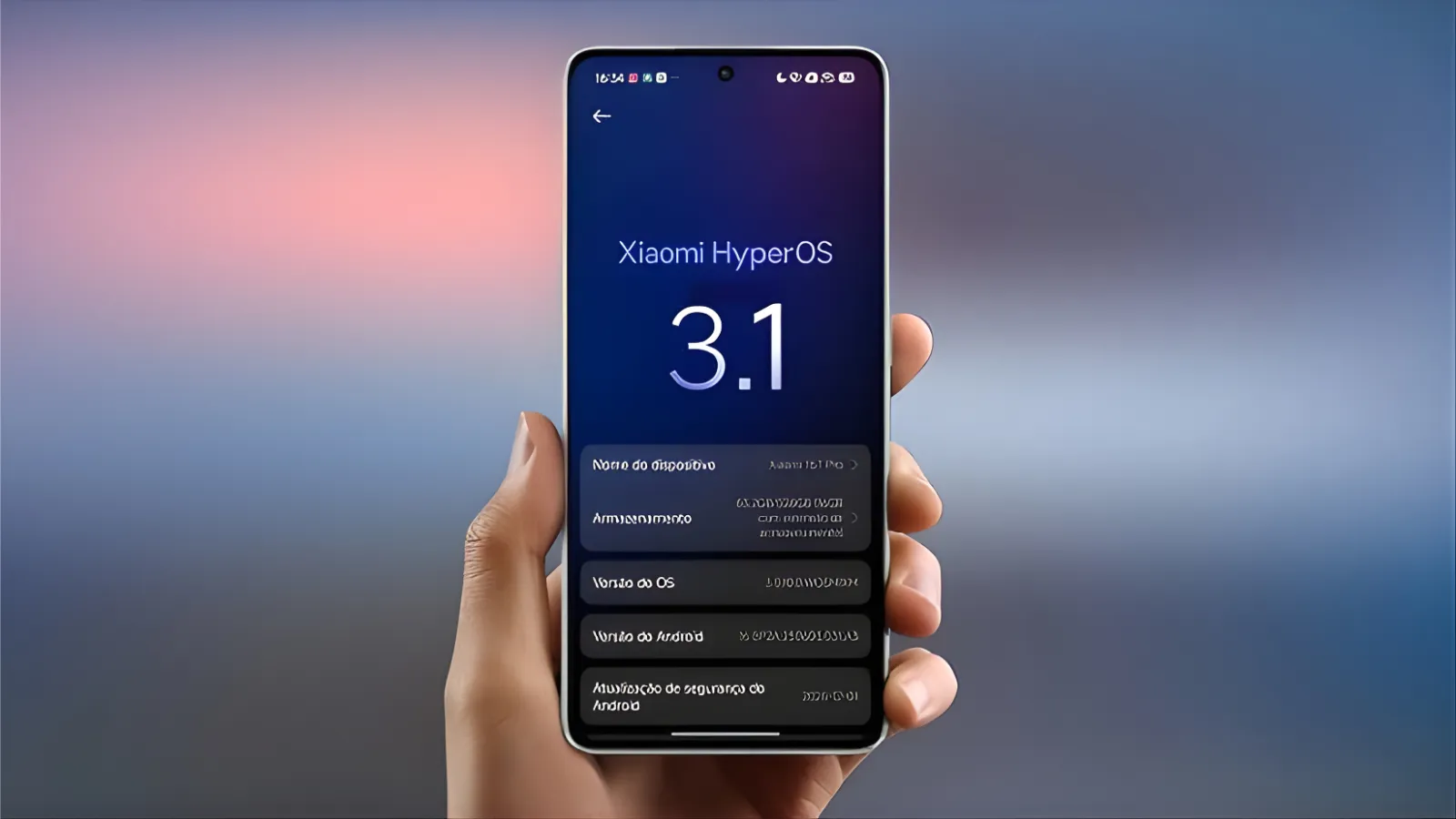
Remember the last time your phone spent 10 minutes stuck on a loading screen during an update? Xiaomi just solved that problem. The company’s latest HyperOS 3.1 update isn’t just another incremental patch—it fundamentally changes how your device handles software updates, and that’s before we even talk about the surprise AirPods integration.
Table of Contents
What Makes HyperOS 3.1 Different?
Following HyperOS 3’s major platform shift to Android 16, version 3.1 focuses on refinement rather than revolution. While HyperOS 3 introduced the Dynamic Island-inspired “HyperIsland” interface and generative AI tools, the 3.1 update tackles something users actually complained about: disruptive system updates.
Super OTA: The Update Revolution
The headline feature is Super OTA (SOTA), which installs system updates with minimal downtime, significantly reducing wait time and installation errors. Think of it like this: instead of your phone shutting down for 15 minutes while it installs a security patch, Super OTA applies updates almost invisibly to the end user, with reboots reserved exclusively for major system kernel changes.
The new architecture transforms bulky packages requiring reboots into instant, seamless software patches. Users report that the experience feels similar to updating an app from the Play Store—quick, painless, and barely noticeable. For anyone who’s ever missed an important call because their phone was in the middle of an update, this is a significant quality-of-life improvement.
Breaking Down the Ecosystem Wall
In a surprising move that signals changing market dynamics, HyperOS 3.1 introduces native Apple AirPods support with full Spatial Audio technology integration. This isn’t just basic Bluetooth connectivity—we’re talking about the full experience: instant pop-up pairing cards showing battery levels, device centre integration, and even “Find My” support through Xiaomi’s online search system.
Xiaomi is no longer treating AirPods as simple Bluetooth devices but as first-party accessories. For users who own both Xiaomi phones and Apple’s ecosystem products like iPads or Macs, this removes a major friction point. You’re no longer forced to choose between your preferred phone and your favourite earbuds.
The Polish Details Matter
Beyond the headline features, HyperOS 3.1 brings thoughtful refinements. The update delivers smoother system animations, refreshed designs for core apps like Weather and Gallery, and enhanced HyperIsland interactions for managing music, calls, and charging status. Accessibility options have been reorganised for better discoverability, and select models gain new quick gesture controls.
Under the hood, optimised memory management and reduced frame stutters ensure app launches and multitasking feel snappier compared to the base HyperOS 3 build.
Device Compatibility: Who Gets What?
The rollout strategy differs between HyperOS 3 and 3.1. HyperOS 3.1 requires Android 16, immediately splitting Xiaomi’s user base between those who can upgrade and those who cannot. This is a calculated trade-off: better performance and polish for newer devices, with older hardware left behind.
HyperOS 3 Eligible Devices
HyperOS 3, based on Android 16, has been rolling out since late 2025 across a massive device lineup:
| Brand | Devices |
|---|---|
| Xiaomi Flagships | 13 Series (Standard, Pro, Ultra) 14 Series (Standard, Pro, Ultra) 15 Series (Standard, Pro, 15S Pro, 15T, 15T Pro, Ultra) 17 Series (Standard, Pro, Pro Max, Ultra, Leica/Leitzphone editions) |
| Xiaomi Foldables | Mix Fold 3, Mix Fold 4 Mix Flip, Mix Flip 2 |
| Xiaomi Special Editions | Civi 4 Pro, Civi 5 Pro |
| Xiaomi Tablets | Pad 6S Pro 12.4 Pad 7 Series (Standard, Pro, Ultra) Pad 7S Pro 12.5 Pad 8 Series (Standard, Pro, Mini) |
| Redmi Performance | K70 Series (Standard, K70E, Pro) K80 Series (Standard, Pro, Ultra) K90 Series (Standard, Pro Max) Turbo 4 Series (Standard, Pro) Turbo 5 Series (Standard, Max) |
| Redmi Note Series | Note 13 Series (13R, Pro, Pro 4G) Note 14 Series (Standard, Pro, Pro+, 14S) Note 15 Series (Standard, Pro, Pro+) |
| Redmi Budget/Entry | A3, A3 Pro 13X, 15 4G |
| Redmi Tablets | Pad 2 Series (Standard, Pro, 4G) Pad SE 4G |
| POCO | F6 Pro F7, F8 Pro, F8 Ultra X7 Series (Pro) Pad M1 |
HyperOS 3.1 Eligible Devices
HyperOS 3.1 maintains broad compatibility but requires devices already running HyperOS 3:
| Brand | Devices |
|---|---|
| Xiaomi Flagships | 13 Series (Standard, Pro, Ultra) 14 Series (Standard, Pro, Ultra) 15 Series (Standard, Pro, 15S Pro, 15T, 15T Pro, Ultra) 17 Series (Standard, Pro, Pro Max, Ultra, Leica/Leitzphone editions) |
| Xiaomi Foldables | Mix Fold 3, Mix Fold 4 Mix Flip, Mix Flip 2 |
| Xiaomi Special Editions | Civi 4 Pro, Civi 5 Pro |
| Xiaomi Tablets | Pad 6S Pro 12.4 Pad 7 Series (Standard, Pro, Ultra) Pad 7S Pro 12.5 Pad 8 Series (Standard, Pro, Mini) |
| Redmi Performance | K70 Series (Standard, K70E, Pro) K80 Series (Standard, Pro, Ultra) K90 Series (Standard, Pro Max) Turbo 4 Series (Standard, Pro) Turbo 5 Series (Standard, Max) |
| Redmi Note Series | Note 13 Series (13R, Pro, Pro 4G) Note 14 Series (Standard, Pro, Pro+, 14S) Note 15 Series (Standard, Pro, Pro+) |
| Redmi Budget/Entry | A3, A3 Pro 13X, 15 4G |
| Redmi Tablets | Pad 2 Series (Standard, Pro, 4G) Pad SE 4G |
| POCO | F6 Pro F7 X7 Pro Pad M1 |
Important Note: Rollout occurs in batches and varies by region and model variant. The process may take weeks or months to reach all eligible devices.
What This Means For You
The shift to Super OTA technology signals Xiaomi’s commitment to long-term software support quality. Faster, more reliable updates mean fewer installation failures, less downtime, and quicker access to security patches. Combined with the AirPods integration, HyperOS 3.1 positions Xiaomi devices as genuinely ecosystem-agnostic—a rare trait in today’s walled-garden smartphone market.
By tying HyperOS 3.1 strictly to Android 16, Xiaomi prioritises performance consistency and polish over broad backward compatibility. It’s a calculated risk, but one that appears to be paying off in user experience quality.
If your device is on the compatibility list, expect the update to arrive in phases throughout Q1 2026. To check for availability, head to Settings > About phone > System update on your Xiaomi, Redmi, or POCO device.