Xiaomi’s HyperOS 3 Weekly Fix Targets Game Turbo Resets, WeChat Audio Bugs, and Browser Crashes on Seven Devices
Xiaomi’s latest HyperOS 3 weekly bug bulletin reads less like a routine patch note and more like a confession — the company is openly admitting that some of its flagship and mid-range devices shipped with bugs affecting core daily functions: notifications, gaming mode, floating windows, and browser stability.
The fixes, now verified internally by Xiaomi’s engineering team, are queued for rollout across seven devices, with China getting them first. Global users should expect the same patches to arrive in HyperOS stable builds within a few weeks, once Xiaomi completes additional testing and regional optimization.
Table of Contents
What’s Actually Getting Fixed
The most disruptive bug on the list sits on the REDMI K80: Game Turbo (Xiaomi’s in-game performance manager) was resetting its custom settings every time users exited Game Space. For a feature designed specifically for competitive gaming, that’s a frustrating loop — your tweaked sensitivity and performance preferences are wiped on every session.
The REDMI K90 Max gets three separate patches in this cycle: broken app icon rendering, WeChat audio failures, and random Xiaomi Browser crashes. Browser instability on Android is increasingly rare on modern chips, which makes this fix notable — it points to a deeper conflict between HyperOS 3’s memory management layer and Chromium-based rendering rather than a surface-level UI bug.
On the Xiaomi 15 Ultra, SMS notification delivery was behaving erratically under certain network conditions — a problem that quietly slips past most users until an important message disappears into the void.
The REDMI K Pad 2 had floating windows (split-screen overlay panels) that refused to close properly — a multitasking regression that cuts against HyperOS 3’s core promise of desktop-class productivity on tablets.
Who Gets the Fix — and When
Xiaomi has emphasized that the listed devices are only “representative models” used during validation. Other Xiaomi, REDMI, and POCO devices reporting identical symptoms will also receive these fixes through upcoming OTA updates.
The global routing is straightforward for two devices: the REDMI Turbo 5 ships internationally as the POCO X8 Pro, and the REDMI K80 becomes the POCO F7 Pro. That means POCO users experiencing identical Game Turbo or floating window bugs are essentially watching the same fix travel toward them through Xiaomi’s China-first testing pipeline.
Xiaomi has increased the frequency of its weekly transparency reports since HyperOS 3 launched, publicly tracking which user-reported issues are under active investigation and which are already resolved internally — a shift that gives users a concrete timeline rather than silence. Whether that cadence holds as HyperOS 3.1 expands globally remains the more important question for mid-2026.
What to Do Right Now
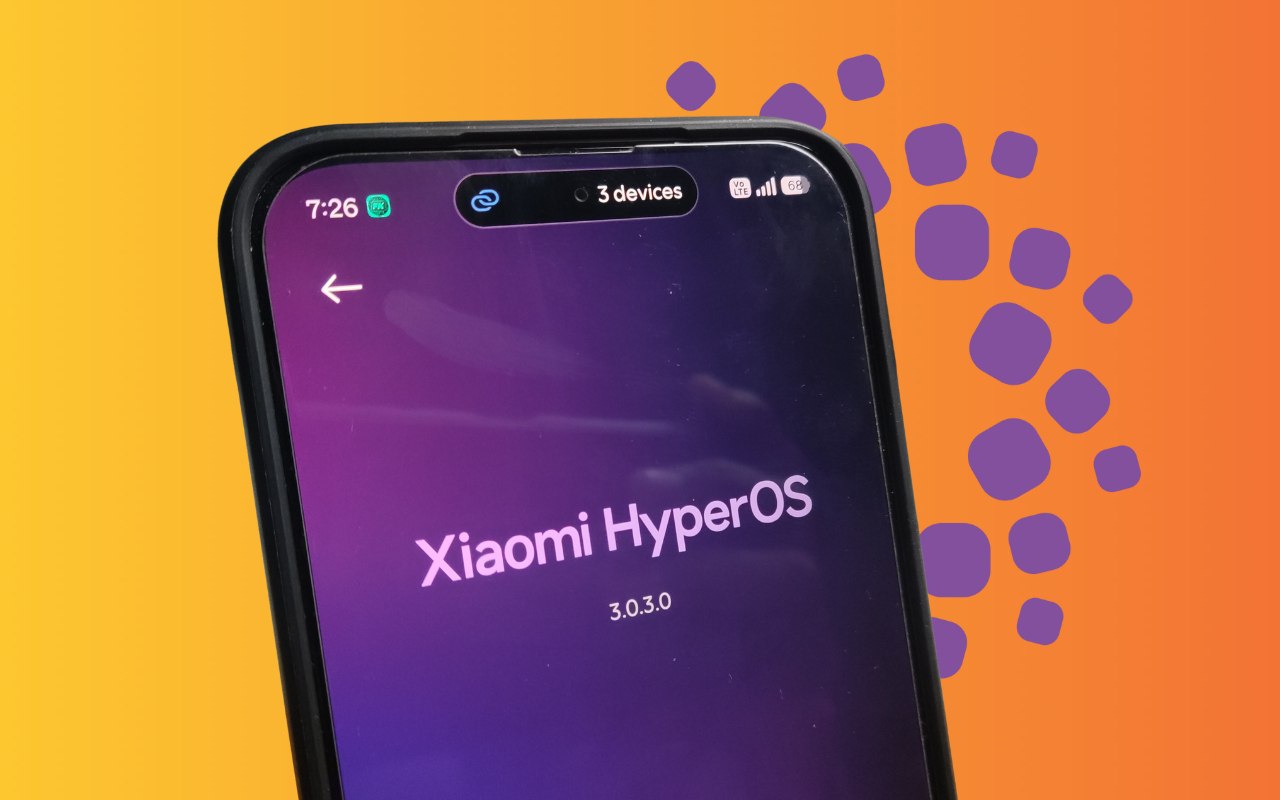
If you own a POCO X8 Pro or POCO F7 Pro, and Game Turbo settings keep resetting, there’s no workaround that sticks — the fix is firmware-level. Head to Settings → About Phone → HyperOS Version → Check for Updates and install any pending build. If nothing’s available yet, the patch is still clearing China rollout before heading your way.