Your Xiaomi Phone Might Not Get HyperOS 3.1 — Here’s Why That Actually Matters
Table of Contents
Android 16 Becomes the Hard Line for Xiaomi’s Next Software Update
If you own a Xiaomi, Redmi, or Poco device running Android 15, you’ll need to brace yourself for some disappointing news: your phone won’t be getting the upcoming HyperOS 3.1 update. Xiaomi has confirmed that HyperOS 3.1 will be limited exclusively to smartphones and tablets that receive the Android 16 update, marking a significant shift in how the company manages its software ecosystem.
What You’re Missing Out On
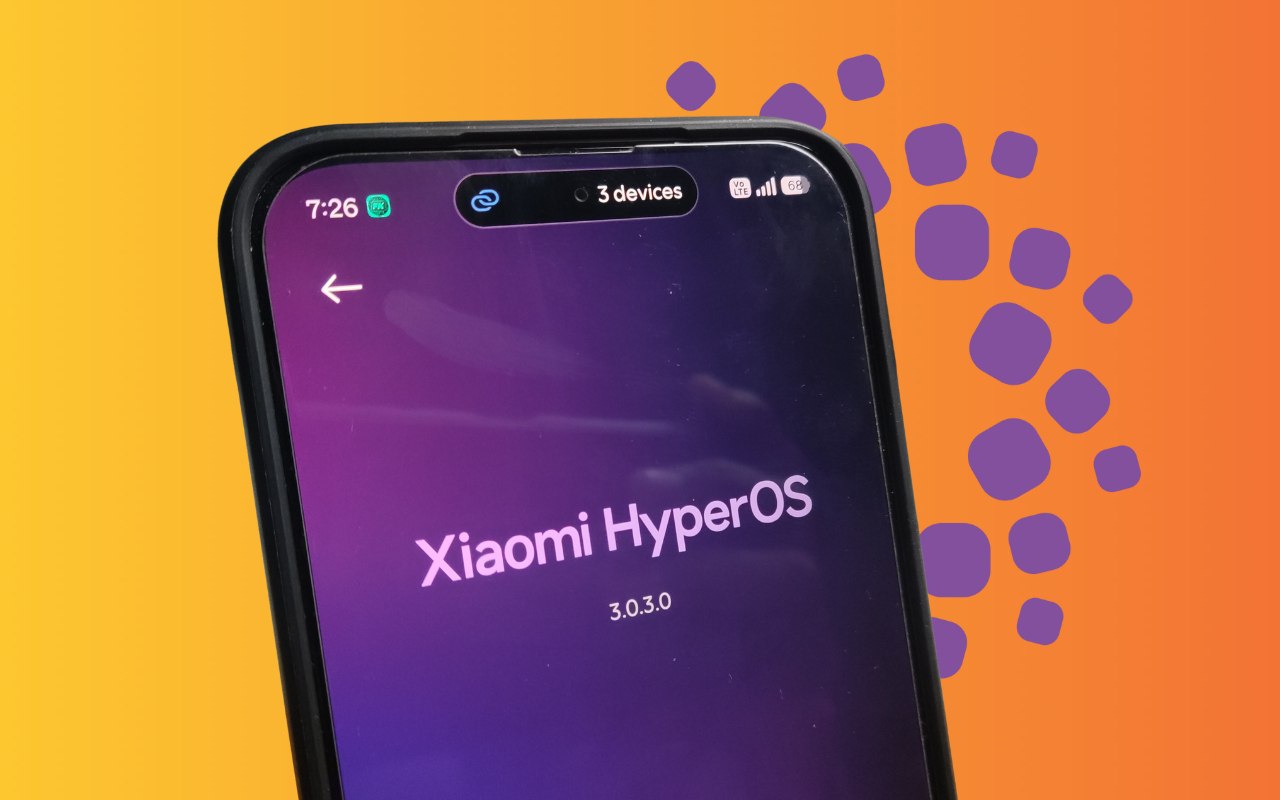
HyperOS 3.1 brings an updated recent apps drawer along with the Hyper Island feature, which is inspired by Apple’s Dynamic Island. This isn’t just a cosmetic change — the new recents drawer will include refined memory management, improvements to animations, faster app startup times, and much more.
The Hyper Island feature represents one of the most visible changes. The system introduces a three-island coexistence layout that lets users view multiple types of information at the same time, including charging status, driving navigation and delivery notifications. Think of it as Xiaomi’s answer to iPhone’s Dynamic Island, but potentially with more functionality baked in from the start.
For users accustomed to Xiaomi’s typically broad update support, this decision feels abrupt. The logic is simple: Xiaomi’s now linking every major HyperOS version directly to its Android base, so 3.1 pairs with Android 16, and that’s that.
The Complete List of Excluded Devices
Around 22 devices won’t receive HyperOS 3.1, including some relatively recent flagships. Here’s the full list of smartphones and tablets that will skip the HyperOS 3.1 update:
Xiaomi Flagship Series:
- Xiaomi 12
- Xiaomi 12 Pro
- Xiaomi 12S
- Xiaomi 12S Pro
- Xiaomi 12S Ultra
- Xiaomi 12T
- Xiaomi 12T Pro
- Xiaomi Civi 3
- Xiaomi Mix Fold 2
Redmi Series:
- Redmi 13C
- Redmi K50 Ultra
- Redmi K60
- Redmi K60 Pro
- Redmi Note 12 Turbo
- Redmi Note 12T Pro
- Redmi Note 13 5G
- Redmi Note 13R Pro
Poco Series:
Tablets:
The exclusion list covers devices across Xiaomi’s entire ecosystem: flagship phones that commanded premium prices just two years ago, capable mid-range devices with solid specifications, and tablets designed for productivity and entertainment.
Why Xiaomi Made This Decision
By tying HyperOS 3.1 to Android 16 only, engineers can focus on refinement instead of patchwork support — it’s a cleaner model, though not everyone will cheer it. Xiaomi supports an extraordinary number of devices compared to competitors, and maintaining update compatibility across multiple Android versions creates significant engineering complexity.
Xiaomi started rolling out stable HyperOS 3 to global devices in late October 2025, and many international phones and one tablet have received the Android 16 firmware. The company is clearly prioritizing a unified experience over backward compatibility.
What This Means for Your Device
Owners of excluded devices will continue to receive security updates and optimizations on HyperOS 3, but will not have access to the new features introduced in version 3.1. Your phone won’t suddenly stop working, but you’ll be locked out of the latest interface refinements and productivity features that define Xiaomi’s software vision going forward.
Xiaomi just planted a flag in the Android update race, officially launching HyperOS 3 with Android 16 to users worldwide, putting itself next to Google and Samsung as one of the first big names to deliver Android 16 to consumers globally. This aggressive stance on Android 16 adoption explains why the company is drawing such a firm line with 3.1.
The Bigger Picture
This move signals a maturation in Xiaomi’s software strategy. Rather than stretching resources across dozens of Android versions, the company is consolidating around current platforms. It’s a tough lesson, but maybe a necessary one if the brand wants HyperOS to grow up — from now on, Android 16 is the floor.
For consumers, this creates a clear message about device longevity. If you’re considering a new Xiaomi device, ensure it’s guaranteed to receive Android 16 if you want access to all future HyperOS features. Those with Android 15 devices should enjoy the stability of HyperOS 3 while recognizing that incremental updates will pass them by.
The silver lining? Xiaomi’s quick Android 16 push sends a loud message: update speed is no longer a perk reserved for premium phones. While some devices are being left behind, those that make the cut are receiving updates faster than ever before in Xiaomi’s history.